
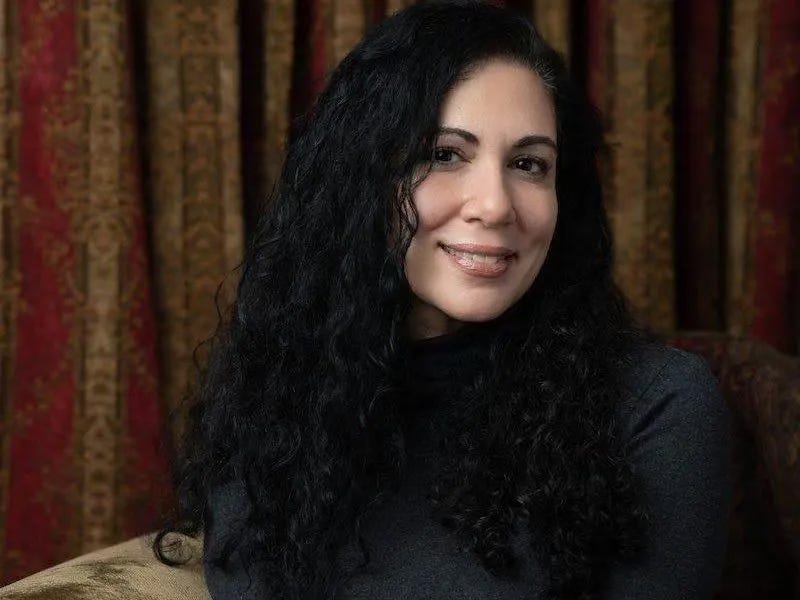
Susan Muaddi Darraj is an award-winning writer of books for adults and children. She won an American Book Award, two Arab American Book Awards, and a Maryland State Arts Council Independent Artists Award. In 2018, she was named a USA Artists Ford Fellow. Her books include her linked short story collection, A Curious Land, as well as the Farah Rocks children’s book series. She lives in Baltimore, where she teaches creative writing at Harford Community College and the Johns Hopkins University. Her new novel, BEHIND YOU IS THE SEA, was published in January 2024 by HarperVia. It received praise from The New York Times, The San Francisco Chronicle, and Ms Magazine, and it was named a Best Book of 2024 by The New Yorker and Apple Books. Behind You Is the Sea was also shortlisted for the 2025 PEN/Faulkner Award.
Children’s Books by Susan


Praise for the Farah Rocks Series
★Darraj shines a light on sibling relationships, and the malicious, repetitive behaviors of bullies that often go unchecked. Farah is a well-rounded character with ambitions and struggles; readers will identify with her challenges and root for her to succeed. A first purchase for upper elementary readers.-School Library Journal, starred review
Darraj writes a strong character who must take on a lot as a fifth grader. Intimate cultural details—Farah’s dad says “bancakes” because “in Arabic, the letters p and v don’t exist”; the family has the surname Hajjar due to their Jerusalem stonecutter origins—add to the authenticity of the portrayal of the family’s Palestinian ethnicity. . . .Readers will be eager for this empathetic protagonist’s next appearance.-Kirkus Reviews
In her children’s book debut, Darraj introduces a sympathetic Arab American protagonist who will help fill a glaring hole in representation. . . .While the bullying story line presents a much gentler experience than the real world might offer, this work is more concerned with modeling good behavior than depicting brutal harassment. A useful window for early chapter book readers and a precious mirror for Arab American kids.-Booklist
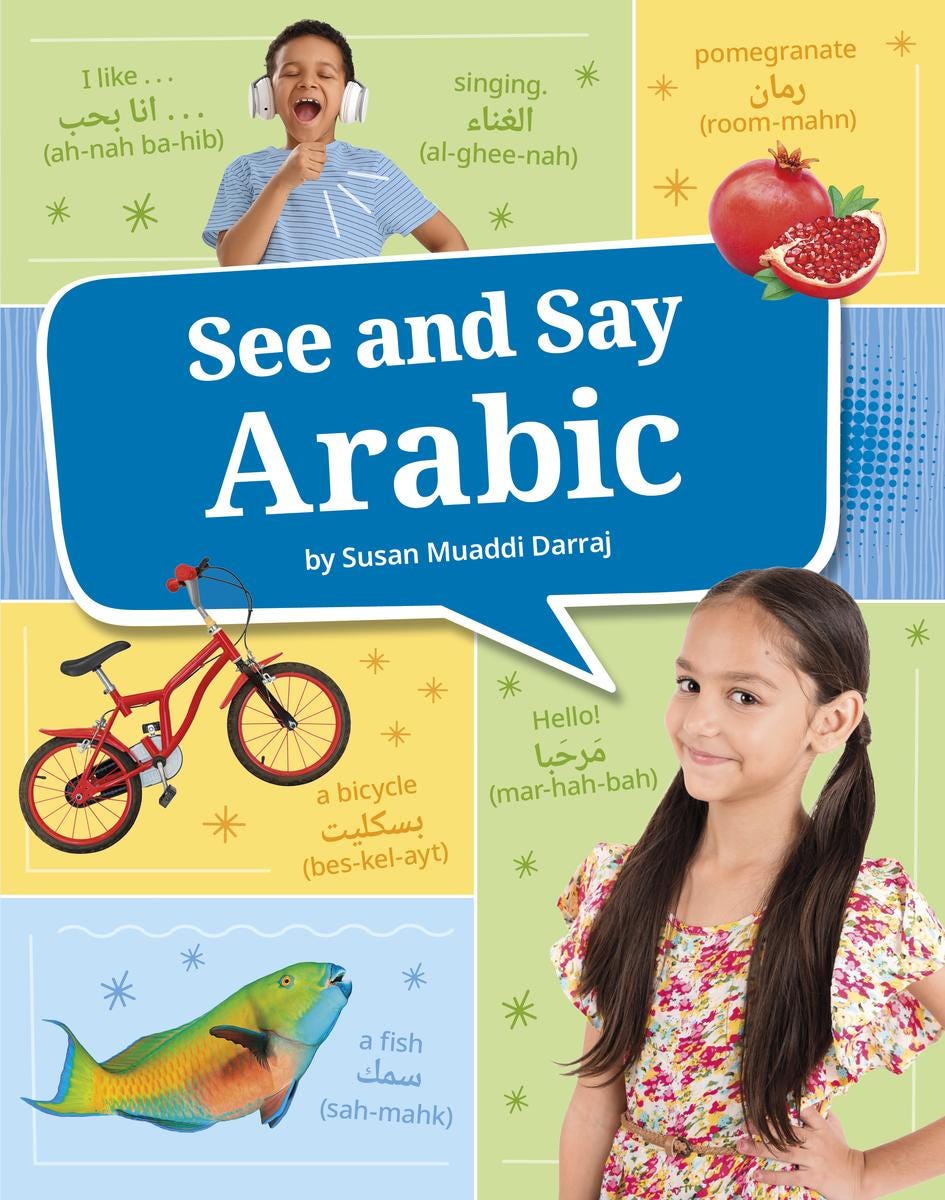
How do you apologize in Arabic? What’s the Arabic word for shoes? With this book, curious kids will see and say simple words and phrases in Arabic.
Adult Fiction by Susan
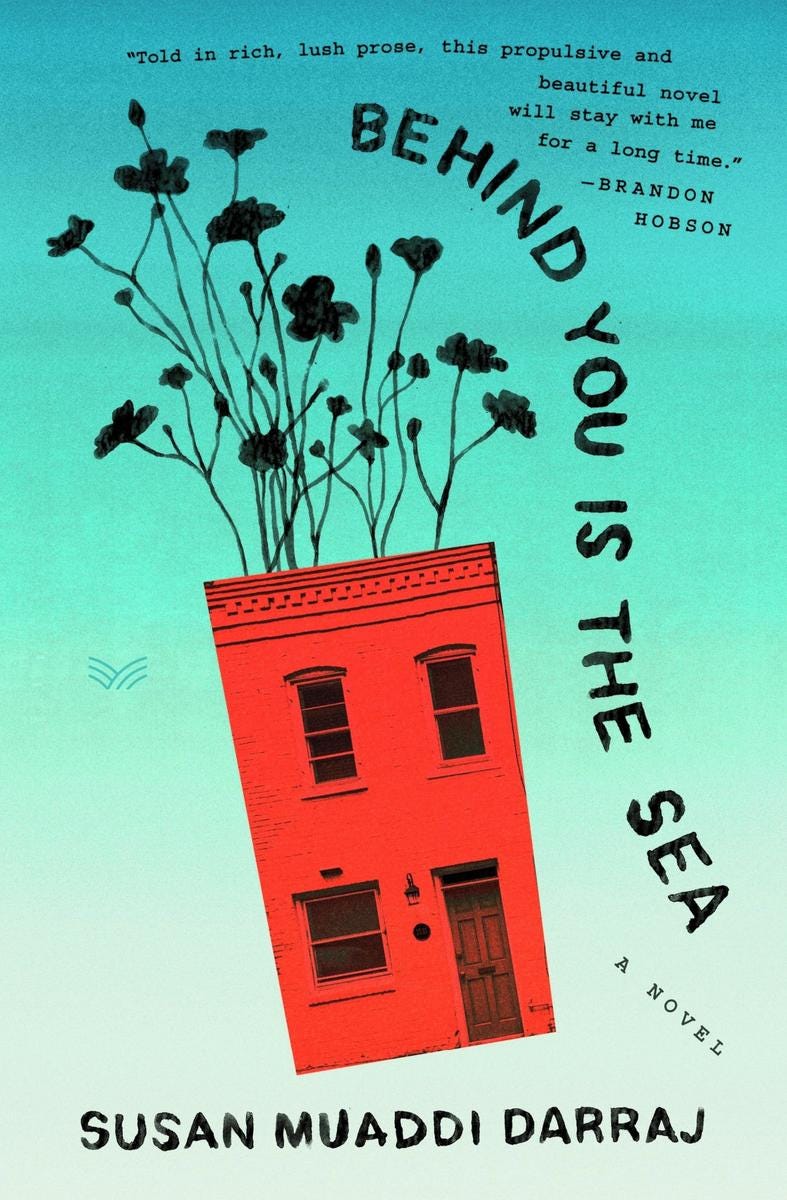
★“Each chapter reads like a small masterpiece.”—Kirkus Reviews, starred review
“A beautiful portrait of a family reaching for their dreams while holding on to their roots.”—Publishers Weekly
"[Behind You Is the Sea] is a shimmering composite portrait of a Palestinian American community in Baltimore. Across nine stellar linked stories, [Darraj] explores the complex relationships between characters divided by—or connected despite—class, language, and traditional values. . . . Darraj depicts the variety of immigrant and second-generation experience (especially women's), probing cultural and generational differences in a sensitive, life-affirming way. This compassionate novel-in-stories, set in a Palestinian American community, prioritizes the experiences of young women, and explores class and cultural divides that surround three families." - Shelf Awareness

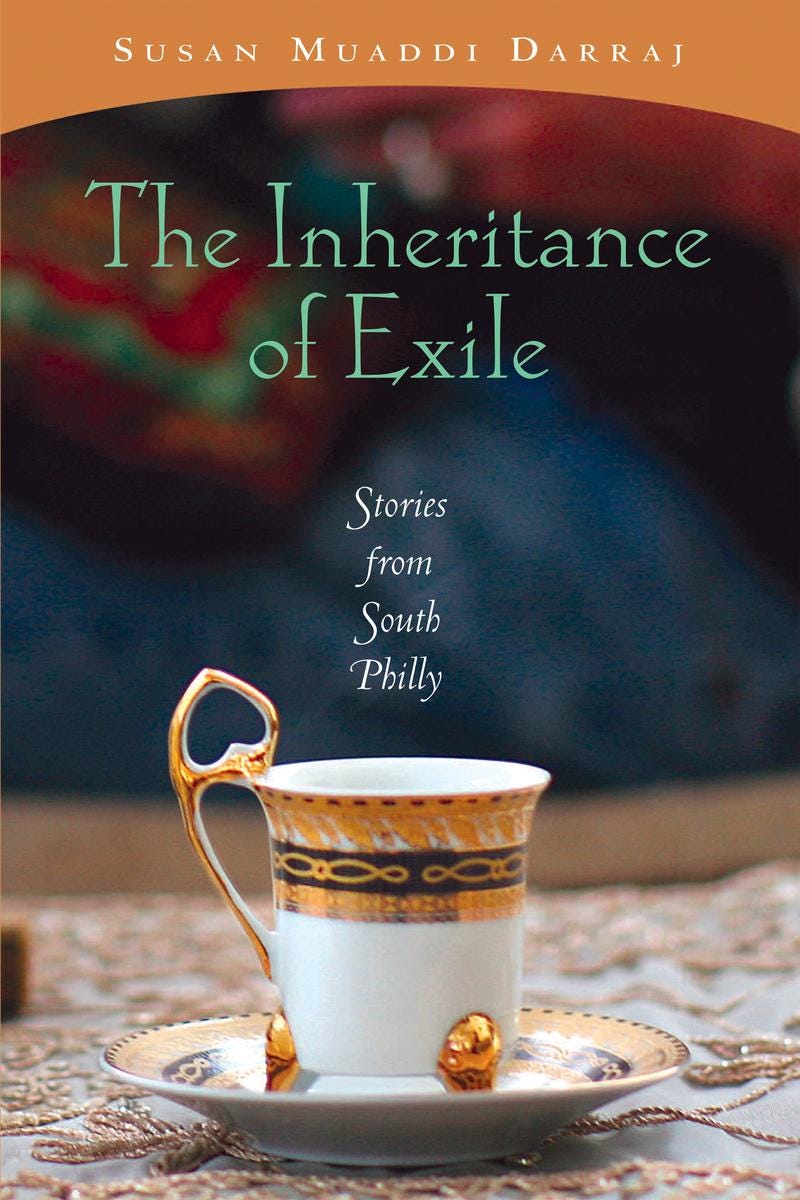
“Darraj succeeds admirably in suggesting the diversity of Palestinian-Americans: the four friends Nadia, Aliyah, Hanan and Reema each comes from a family with its own story of exile. . . . There’s a passionate sense here of inheritance as a two-way street that transforms immigrants and their children. . . .” —Publishers Weekly
“What makes Susan Muaddi Darraj's collection of short stories so rewarding—in ways that a novel cannot be—is that this book is a collection not only of short stories but also of perspectives, of parts that accumulate into a whole.” —Potomac Review
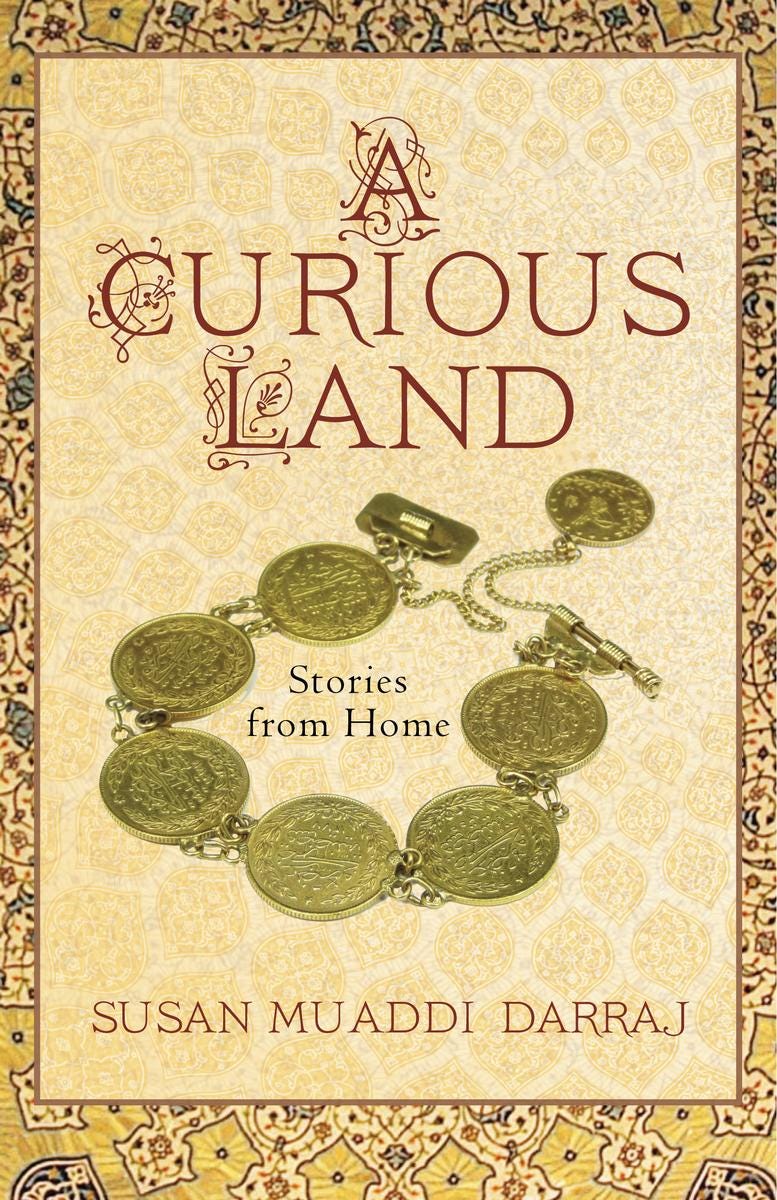
“Darraj writes traditional, tragic love stories set among Orthodox Palestinians during periods of historical unrest. A superb collection and a perfect selection for public libraries.”—Booklist
In reading A Curious Land, it occurred to me that Susan Muaddi Darraj is an archivist—in an important sense, if not the traditional one. In telling the stories of Palestinians and Palestinian-Americans, her stories offer an archive of language, of customs; they record those relations between people that, for lack of a better word, we call ‘civilization.’”—Mass Review