
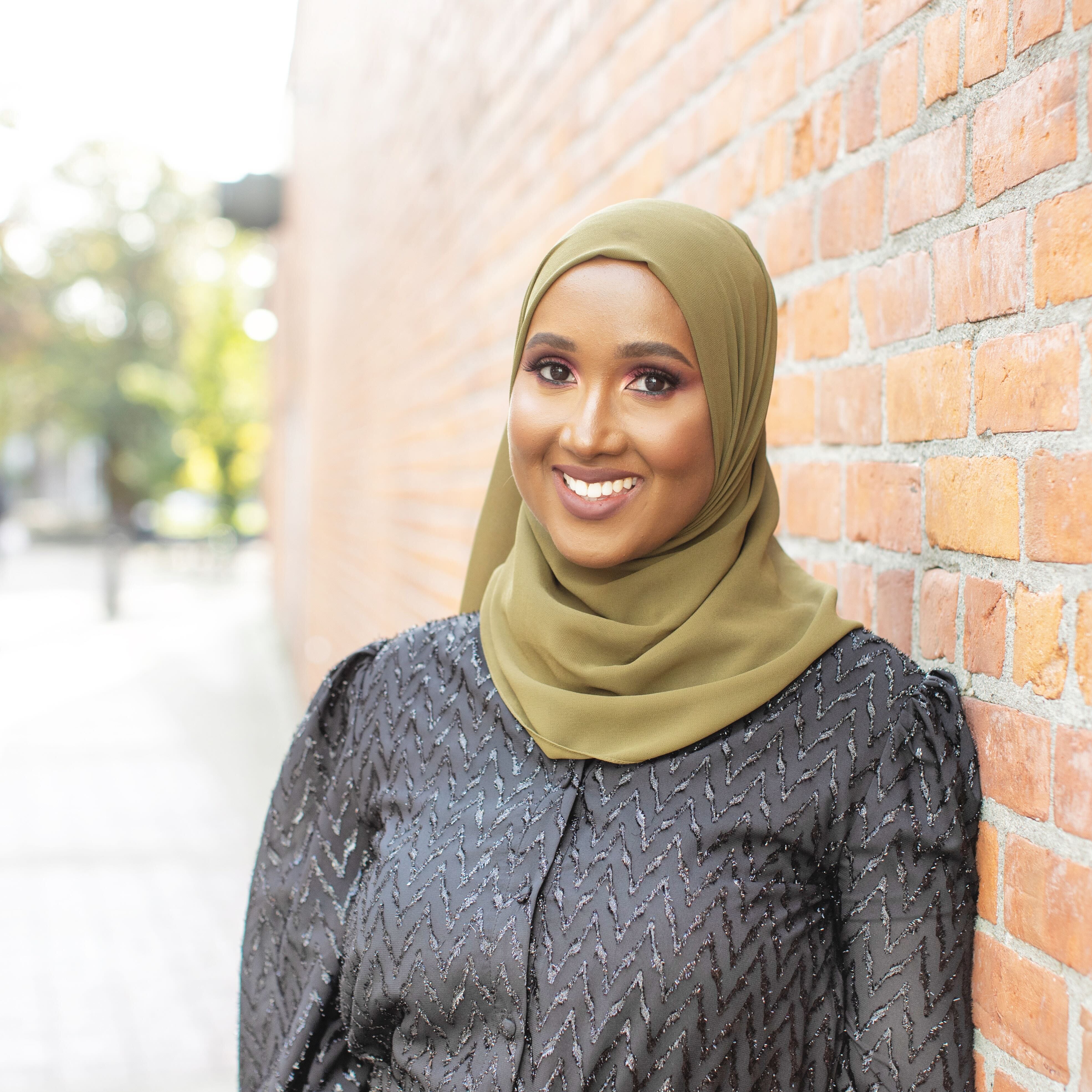
Rahma Rodaah was born and raised in Hargeisa, Somaliland. At the age of eight, her family immigrated to Canada where she still resides today. She is a mother of four children and enjoys reading and coming up with silly bedtime stories. She is also the author of two self-published picture books and firmly believes that children need to be able to identify themselves in the books they read.
Books by Rahma
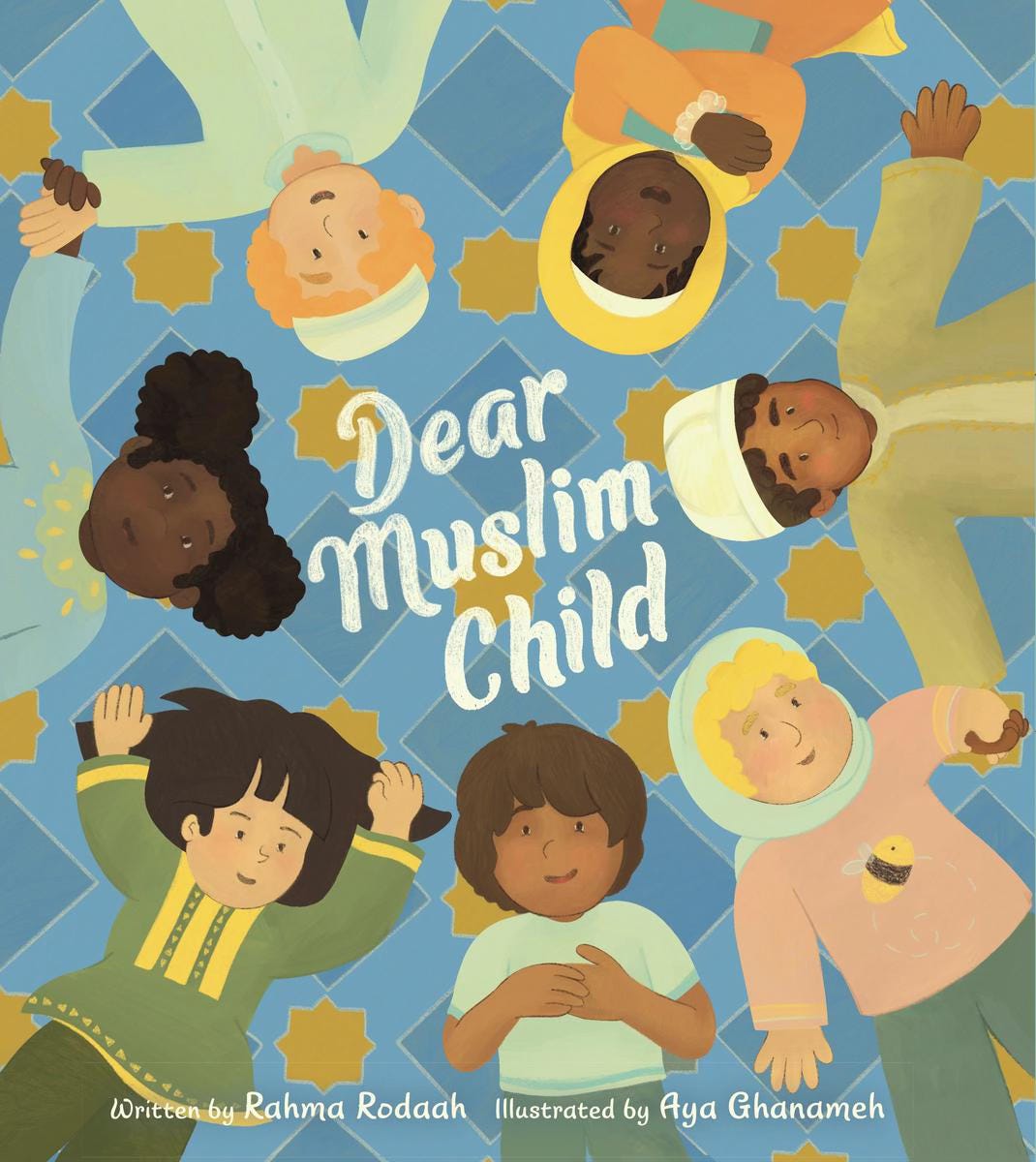
★"Rodaah addresses Muslim children, encouraging them to embrace their faith and have pride in their religion... The prose offers encouragement, validation, and love to Muslim children everywhere. Ghanameh’s illustrations showcase the diversity of Muslim heritage and culture. The cool tones used throughout the book contribute to the overall serenity of the pages. For Muslim children, this book imparts comfort and understanding during a time when many children feel they have to hide their faith. For non-Muslim children, this book encourages understanding and respect. A love letter to Muslim children at a time when it is needed most."— School Library Journal, starred review
“A heartfelt love letter urging Muslim children everywhere to courageously embrace the tenets of their faith. Poetic language and a palette of cool colors that complements the comforting words together evoke warmth, safety, and pride. Illustrations featuring children and adults who have a variety of skin tones, body shapes, and clothing styles reflect the rich diversity of the global Muslim community. Nurturing, encouraging, and necessary.” - Kirkus Reviews

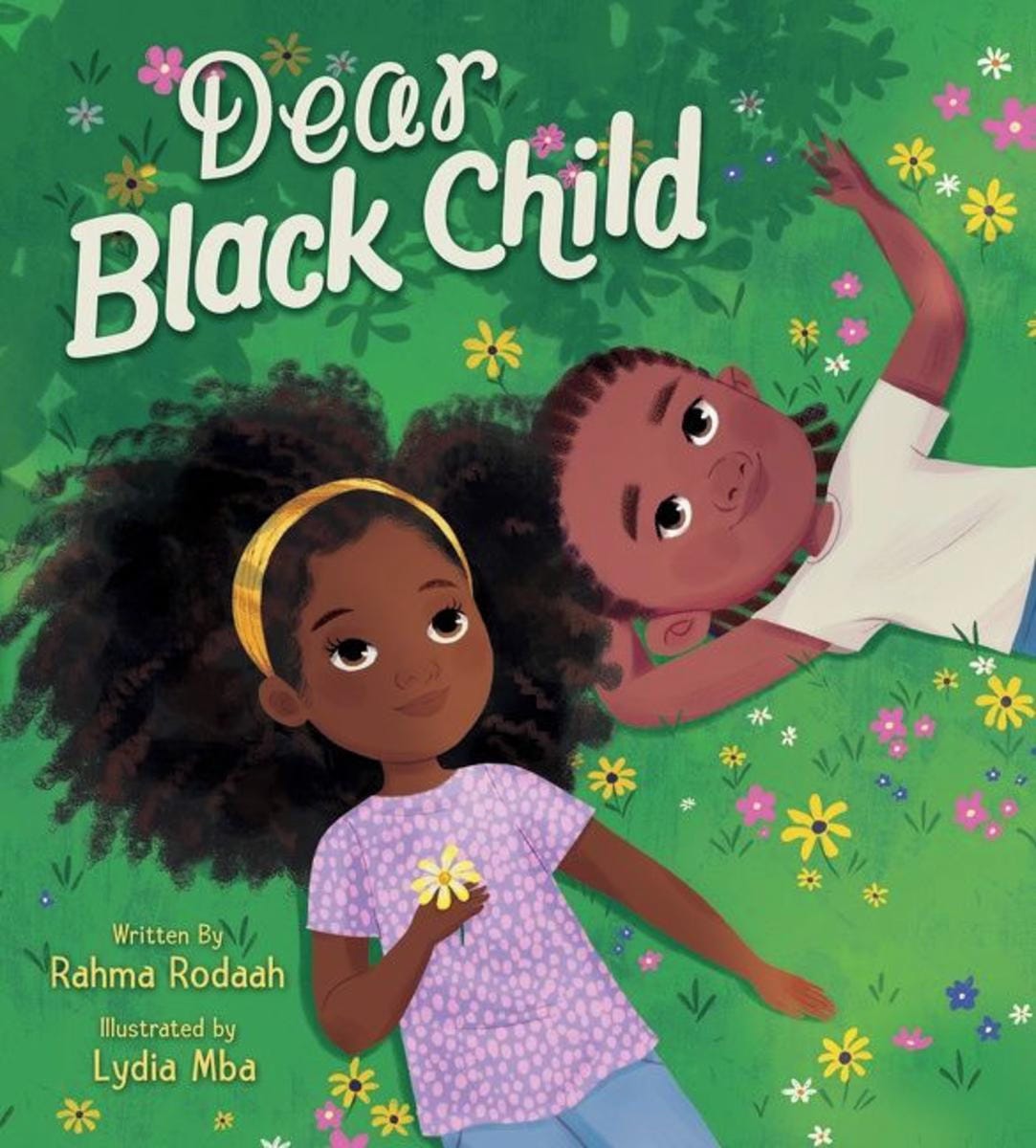
“This upbeat and inspiring missive [is] a triumphant mirror book for Black children everywhere, providing encouragement, validation, and joy.” - School Library Journal
“Through a series of light-filled illustrations, the book stresses that there is space for Black children to become explorers, take center stage, and celebrate their heritage. Rodaah and Mba address Black children’s need to feel safe and accepted within their larger communities, the lack of African American representation in history books, and microaggressions they may experience, but they also remind children that they are loved…. A rousing affirmation that Black children belong.” - Kirkus Reviews